
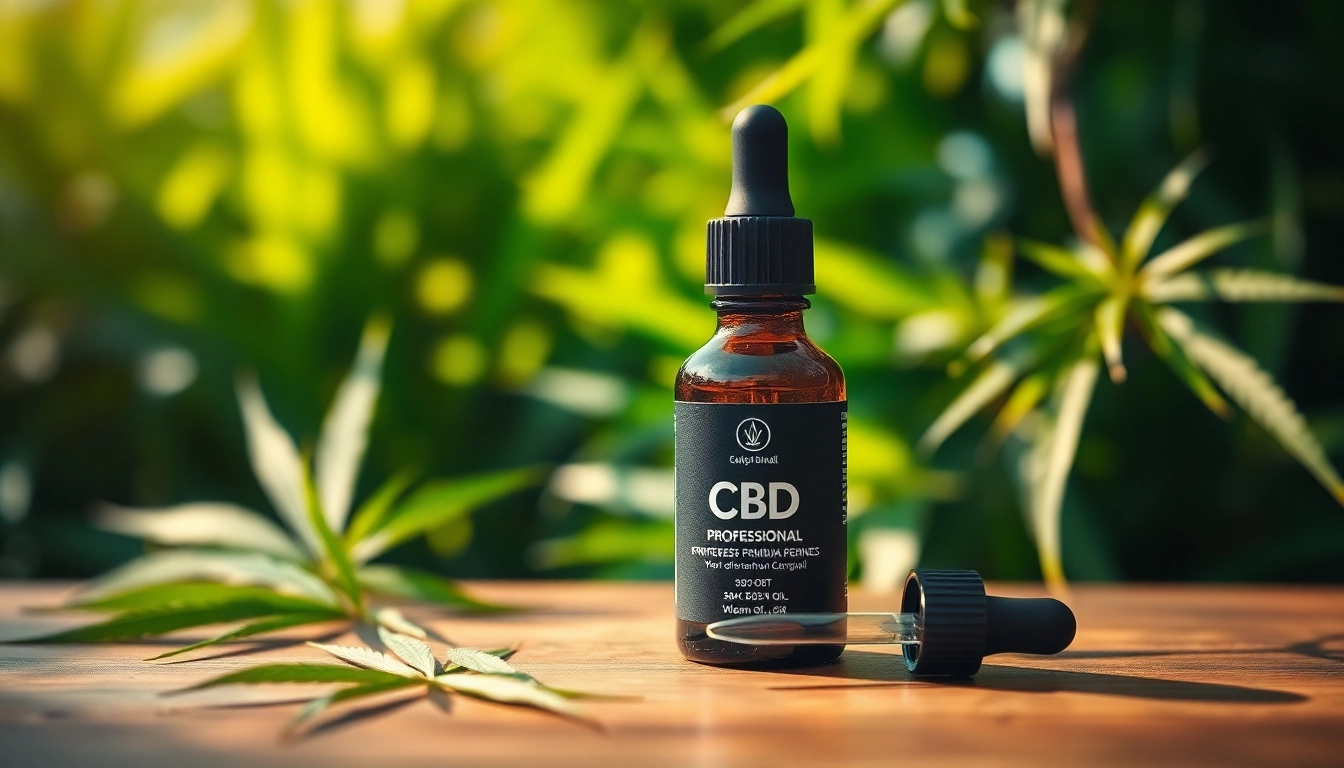
The popularity of CBD Oil has surged in recent years as more individuals seek alternative solutions for health and wellness issues. Derived from the hemp plant, this natural product is celebrated for its therapeutic properties, appealing to many looking for relief from various ailments. This article delves deeply into the science, health benefits, practical applications, legal landscape, customer experiences, and overall insights about CBD Oil, providing comprehensive guidance for both newcomers and seasoned users alike. For those curious about its full range of benefits, CBD Oil could be a vital exploration in enhancing overall wellness.
The Science Behind CBD Oil
Understanding What CBD Oil Is
CBD Oil is a non-psychoactive compound extracted from the Cannabis sativa plant, primarily associated with hemp rather than marijuana. This oil contains a rich concentration of cannabinoids, with cannabidiol (CBD) being the most abundant. Unlike its more famous counterpart, tetrahydrocannabinol (THC), CBD does not produce a "high," making it accessible for those seeking therapeutic effects without the intoxicating side effects. The extraction process involves various techniques, including CO2 extraction, which ensures a pure, high-quality product free from contaminants.
The Endocannabinoid System and Its Role
The effectiveness of CBD Oil in the body, particularly regarding its therapeutic potential, can be largely attributed to the endocannabinoid system (ECS). The ECS is a complex cell-signaling system consisting of endocannabinoids, receptors (CB1 and CB2), and enzymes. When CBD enters the body, it interacts with these receptors to promote homeostasis—maintaining the body's internal balance despite external changes. This interaction plays a crucial role in regulating various biological processes, including pain, mood, appetite, and inflammation, ultimately highlighting the significance of CBD in holistic health.
Cannabinoids vs. Other Compounds
Cannabinoids like CBD and THC are unique phytochemicals that interact with the ECS, but they aren't the only compounds that influence bodily functions. Other beneficial compounds include terpenes and flavonoids, which can enhance the therapeutic effects of cannabinoids through the "entourage effect." Terpenes, for instance, may contribute to the relaxation effects of certain cannabis strains, while flavonoids provide antioxidant properties. Understanding these compounds allows users to appreciate the synergistic effects they can have when taken in combination.
Health Benefits of CBD Oil
CBD Oil for Pain Relief
Pain management is one of the most common reasons individuals turn to CBD Oil. Research indicates that cannabidiol can profoundly affect the perception of pain by influencing the endocannabinoid system. Studies suggest that it may help reduce chronic pain, including arthritis, multiple sclerosis, and other pain-related conditions. The analgesic properties of CBD make it a favorable alternative to traditional pain medications, often allowing patients to reduce their reliance on opioids, which can have severe side effects and addiction potential.
Reducing Anxiety and Stress with CBD Oil
Anxiety and stress have become prevalent issues in today’s society, affecting millions of individuals worldwide. Emerging research suggests that CBD Oil has anxiolytic properties, which may help alleviate anxiety symptoms. By interacting with serotonin receptors in the brain, CBD may enhance mood and focus, providing a sense of calm without the drowsiness associated with many pharmaceutical anxiolytics. Anecdotal evidence points to countless users who have experienced reduced anxiety levels when using CBD Oil, making it a promising alternative for managing stress.
Anti-inflammatory Properties of CBD Oil
Inflammation is a natural response of the immune system, but chronic inflammation can lead to significant health concerns, including heart disease, diabetes, and autoimmune disorders. CBD Oil is noted for its anti-inflammatory effects, making it a promising option in combating these chronic conditions. Several studies indicate that CBD may inhibit the production of inflammatory cytokines, thus reducing inflammation within the body. Regular use of CBD Oil may not only alleviate symptoms associated with inflammation but also promote overall health and vitality.
Using CBD Oil Effectively
Doses and Administration Methods for CBD Oil
The efficacy of CBD Oil is heavily influenced by the dosage and method of administration. Users typically find themselves experimenting with different dosages to determine what works best for their specific needs. Common methods of administration include sublingual oils, capsules, edibles, and topical applications. Sublingual oils, which are placed under the tongue, allow for rapid absorption into the bloodstream, making them a popular choice. It's advisable for new users to start with a low dose and gradually increase it while monitoring their body's response, thus ensuring a tailored approach to their wellness journey.
Determining Quality in CBD Oil Products
Not all CBD Oil products are created equal; hence, understanding how to identify high-quality options is crucial. Consumers should look for products that provide third-party lab test results, confirming their content and purity. Additionally, a reputable brand will typically disclose the source of their hemp, the extraction methods used, and the presence of additives or fillers. Choosing a broad-spectrum or full-spectrum CBD Oil can provide a more comprehensive range of benefits through the entourage effect, enhancing the overall effectiveness of the product.
Common Myths about CBD Oil Usage
With the proliferation of information surrounding CBD Oil, several myths have emerged that can mislead consumers. Common misconceptions include the belief that CBD Oil is intoxicating, addictive, or illegal. In reality, CBD is non-intoxicating, holds low potential for abuse, and is legal in many regions, granted it contains less than 0.3% THC. As users become more informed about these myths, they can make better choices for their health journeys.
Legal Considerations for CBD Oil
CBD Oil Legality in the U.S.
The legal landscape for CBD Oil varies across the United States. Following the signing of the 2018 Farm Bill, hemp-derived CBD with less than 0.3% THC became federally legal. However, state laws still differ significantly, with some states imposing stricter regulations or prohibiting CBD altogether. Consumers should be proactive in understanding the regulations in their respective states to ensure compliance and avoid legal pitfalls.
Understanding Regulations around CBD Oil
The U.S. Food and Drug Administration (FDA) has begun to implement regulations to ensure the safety and efficacy of CBD products. Companies must adhere to packaging, labeling, and marketing standards. However, the lack of definitive regulations can lead to inconsistencies in product quality and effectiveness within the market. Consumers should remain vigilant and informed about potential changes in regulations that may affect product availability and safety in the future.
Future Trends in CBD Oil Legislation
As public interest in CBD Oil continues to grow, it is likely that legislative frameworks will evolve. Future trends may involve more stringent testing requirements, clearer labeling guidelines, and increased protections for consumers. Advocacy efforts aimed at educating lawmakers and the public about the benefits and potential of CBD could pave the way for a more standardized approach across the nation.
Customer Experience with CBD Oil
Real User Testimonials and Experiences
User testimonials play a significant role in understanding the real-world effectiveness of CBD Oil. Many individuals report improvements in various conditions, such as reduced anxiety, better sleep quality, and diminished chronic pain. Firsthand accounts can vary widely, with some users experiencing profound relief, while others may find the effects minimal. However, these personal stories underscore the potential of CBD Oil as a valuable addition to wellness routines.
Challenges Users Face
Despite the various benefits associated with CBD Oil, many users encounter challenges. These challenges can include finding the right dosage, navigating the legality of the product, and dealing with varying product quality. New users may feel overwhelmed by the plethora of options available, often leading to confusion and frustration. Being informed and likely seeking guidance from health professionals can help mitigate these issues and foster a more positive experience.
Potential Side Effects of CBD Oil
While many users tolerate CBD Oil well, some may experience side effects, including fatigue, dry mouth, and changes in appetite. It is essential for users to monitor their body's reactions to ensure they utilize CBD Oil safely and effectively. Consulting with healthcare providers can provide further insights into potential side effects and appropriate usage tailored to individual needs.
In conclusion, CBD Oil represents a promising option for individuals seeking natural solutions for health and wellness challenges. By understanding its science, benefits, practical applications, legal considerations, and user experiences, consumers can make informed decisions about incorporating CBD Oil into their lives. With ongoing research and evolving regulations, the future of CBD Oil is poised for continued growth and increasing acceptance in the health and wellness community.