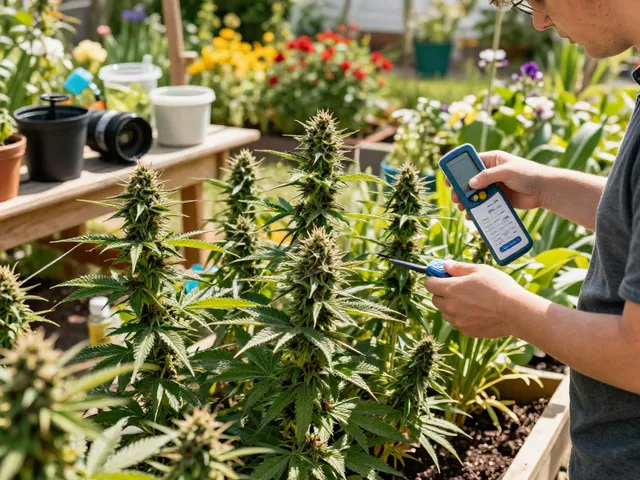
Understanding CBD: Health Benefits and Applications
Cannabidiol, or CBD, is a non-psychoactive compound derived from the cannabis plant that has gained widespread popularity for its potential health benefits. It interacts with the endocannabinoid system (ECS) in our bodies, which plays a crucial role in regulating various physiological processes, such as mood, pain perception, and immune responses. As more individuals turn to natural remedies, CBD stands out as a versatile option that offers numerous therapeutic applications without the intoxicating effects typically associated with THC.
When exploring options, Buy weed online usa provides a seamless experience for obtaining high-quality CBD products. Understanding CBD's health benefits requires a look into its mechanisms, types of products available, and the science behind its effectiveness.
What is CBD and How Does it Work?
CBD is one of more than 100 cannabinoids found in cannabis. Unlike THC, which binds to CB1 receptors to produce its psychoactive effects, CBD has a more subtle influence on the ECS. It is believed to interact with various receptors, including serotonin receptors, which may help alleviate anxiety and influence mood stabilization. CBD can also mitigate the psychoactive effects of THC by acting as an antagonist to these receptors, offering a more balanced experience for users.
Health Benefits of CBD: What the Research Says
Research is continually emerging regarding the health benefits of CBD, showcasing its potential in areas such as:
- Anxiety and Stress Management: Studies have shown that CBD may help reduce anxiety symptoms and promote relaxation without the sedative effects often associated with traditional medications.
- Pain and Inflammation Reduction: CBD is reported to have anti-inflammatory properties, making it useful in managing chronic pain conditions such as arthritis and multiple sclerosis.
- Sleep Quality Improvement: Many users report enhanced sleep quality and a reduction in insomnia symptoms, suggesting that CBD may support restful sleep patterns.
While many benefits are anecdotal, various clinical trials are currently underway to provide further evidence of CBD's efficacy in these areas.
CBD for Everyday Wellness: Use Cases and Benefits
The versatility of CBD makes it suitable for daily wellness routines. From stress relief in busy workplaces to managing discomfort after physical activities, CBD can be integrated into various lifestyles. With options like oils, capsules, and edibles, individuals can easily find products that fit their preferences and health goals.
Types of CBD Products Available Online
Differences Between Full-Spectrum, Broad-Spectrum, and Isolate
CBD products come in several forms, each offering different benefits due to their unique compositions:
- Full-Spectrum CBD: Contains all cannabinoids, terpenes, and flavonoids naturally found in the hemp plant, including trace amounts of THC. This combination may produce the "entourage effect," enhancing overall benefits.
- Broad-Spectrum CBD: Similar to full-spectrum but with all THC removed. It offers numerous cannabinoids without the concern of THC’s psychoactive effects.
- CBD Isolate: Pure CBD in crystalline form. This option is ideal for those who want to avoid THC entirely and provides a focused dose of CBD without other cannabinoids or terpenes.
Common Delivery Methods: Oils, Edibles, and Topicals
CBD can be consumed through various methods:
- Oils and Tinctures: Administered sublingually, these products offer fast absorption and customizable dosing.
- Edibles: Available in forms like gummies and beverages, these are a convenient option but may take longer to metabolize, as they pass through the digestive system.
- Topicals: Creams and balms are applied directly to the skin for localized relief, making them ideal for targeted pain management.
Finding Quality CBD Products Online
Quality is paramount when purchasing CBD products. Look for brands that provide third-party lab testing results and a Certificate of Analysis (COA) to ensure product potency and safety. Identifying reputable suppliers, such as Apex Weed Hub, can make a significant difference in your purchasing decision.
Dosage Guidelines for CBD: How to Use Responsibly
How to Determine Your Ideal CBD Dosage
Finding the right CBD dosage varies by individual and is influenced by factors like body weight, metabolism, and the severity of the condition being managed. A common recommendation is to start with a low dose and gradually increase it until the desired effects are achieved.
Titration: Adjusting Your Dosage Safely
Titration involves adjusting your daily dose by small increments. This method helps identify the optimal dosage while minimizing potential side effects, enhancing safety for new users.
Factors Influencing CBD Efficacy in Individuals
Your unique body chemistry, lifestyle, and even the time of day you take CBD can influence its effectiveness. Individual tolerance levels and concurrent medications can also significantly affect results.
Quality Screens: Identifying Safe CBD Products
Understanding Certificates of Analysis (COA)
A COA is a document provided by an independent lab that verifies the cannabinoid content and ensures the product is free from harmful contaminants. Always check for this documentation before purchase to ensure that the product meets safety standards.
Third-Party Testing and Its Importance
Products that undergo third-party testing can offer peace of mind regarding their composition and safety. This testing checks for potency as well as contaminants such as pesticides, heavy metals, and solvents.
Signs of Quality: What to Look for in CBD Products
High-quality CBD products display certain characteristics:
- Transparency in sourcing and manufacturing processes
- Availability of COAs from reputable labs
- Clear ingredient lists free from fillers or additives
Navigating Legalities and Safety with CBD
Current Regulations and Legal Status of CBD in 2026
The 2018 Farm Bill legalized hemp-derived CBD at the federal level in the U.S. in quantities not exceeding 0.3% THC. However, states may have various regulations that affect the sale and consumption of CBD products.
Possible Side Effects and Interactions
While generally considered safe, side effects may include:
- Drowsiness
- Dry mouth
- Digestive changes
It's crucial to consider potential interactions with medications, particularly blood thinners and anti-seizure drugs. Always consult a healthcare provider when introducing CBD to your routine, especially for chronic conditions.
Best Practices for Safe CBD Usage
To ensure a responsible CBD experience, adhere to the following practices:
- Consult healthcare professionals before use.
- Start with low dosages and increase gradually.
- Avoid driving or operating heavy machinery until you know how CBD affects you.
What Should You Discuss with Your Healthcare Provider?
Discuss your intentions to use CBD with your healthcare provider, particularly if you are currently taking any medications or have existing health conditions. Collaborative communication can foster a safer usage approach.
Conclusion
Cannabidiol offers a promising alternative for individuals seeking natural health solutions. As research continues to unveil the potential benefits of CBD, informed consumers must prioritize quality, safety, and knowledge regarding products they choose. Embracing a responsible approach to CBD usage can empower individuals to enhance their wellness journey effectively and safely.