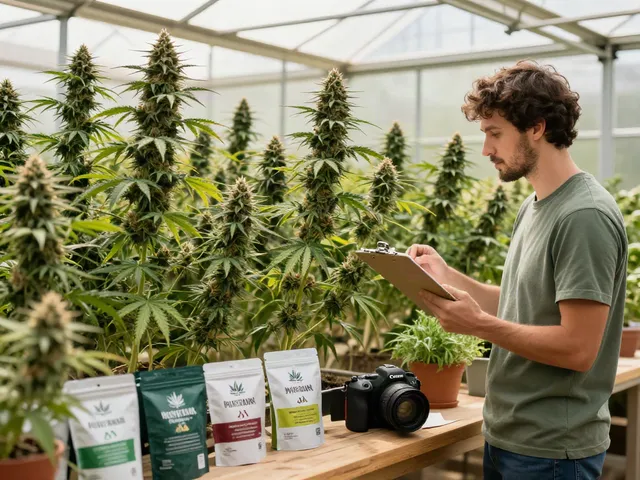
Understanding CBD Edibles for Wellness
As interest in natural wellness solutions continues to grow, many people are exploring the potential benefits of CBD (cannabidiol) edibles. These products, which come in a variety of forms such as gummies, chocolates, and beverages, provide an accessible way to incorporate CBD into your daily routine. In this article, we will delve into what CBD edibles are, their health benefits, and how to choose the right options to support your wellness journey. When exploring options, buy edibles online to access a diverse range of products that cater to different preferences and needs.
What Are CBD Edibles?
CBD edibles are food products infused with CBD, a non-psychoactive compound found in hemp and cannabis plants. Unlike traditional marijuana products that contain THC (tetrahydrocannabinol), CBD edibles do not deliver a "high," making them appealing to those seeking the therapeutic benefits of cannabis without the psychoactive effects. These edibles can include a variety of formulations, from sweet treats like gummies to savory snacks and beverages. They work by interacting with the body’s endocannabinoid system (ECS), which is responsible for regulating a range of physiological processes, including mood, pain sensation, and appetite.
Health Benefits of CBD Edibles
CBD edibles are gaining popularity due to their potential health benefits, which are backed by existing research. Some of the noted benefits include:
- Anxiety and Stress Management: Many users report a reduction in anxiety levels and improved stress response after consuming CBD edibles, thanks to their interaction with serotonin receptors.
- Improved Sleep Quality: CBD can promote better sleep by decreasing insomnia symptoms and enhancing sleep quality, making it a natural alternative for sleep aids.
- Pain and Inflammation Relief: Research indicates that CBD has anti-inflammatory properties, which may help alleviate chronic pain conditions.
- Enhanced Focus and Mental Clarity: Some users find that CBD edibles help improve concentration and cognitive function, promoting a more productive lifestyle.
- Post-Workout Recovery: Athletes have turned to CBD to help reduce soreness and speed up recovery times post-exercise.
Popular Types of CBD Edibles
There is a wide range of CBD edibles available in the market, catering to diverse tastes and preferences:
- Gummies: One of the most popular forms, CBD gummies are convenient, tasty, and easily dosed.
- Chocolates: Infused chocolates offer a delightful way to consume CBD while satisfying chocolate cravings.
- Beverages: CBD-infused drinks, such as tea, coffee, and sparkling waters, provide a refreshing way to ingest CBD.
- Capsules: CBD capsules provide precise dosing in a discreet form, making them suitable for those who may not enjoy the taste of other edibles.
Choosing the Right CBD Edibles
The variety in CBD edibles can be overwhelming, especially for newcomers. Here are some factors to consider when selecting the right product:
Factors to Consider When Buying
When purchasing CBD edibles, consider the following:
- Source of CBD: Look for products derived from organically grown hemp, as this ensures a higher quality of CBD.
- Type of CBD: Understand the differences between full-spectrum, broad-spectrum, and CBD isolate. Full-spectrum products contain a range of cannabinoids and terpenes that may enhance the therapeutic benefits through the entourage effect.
- Dosing Information: Ensure that the product provides clear dosing instructions, so you can easily gauge how much to consume.
- Ingredients: Check for natural ingredients and avoid products with artificial additives or high sugar content.
- Brand Reputation: Research the brand, looking for third-party testing results and customer reviews to ensure product quality.
Full-Spectrum vs. Isolate Edibles
When choosing CBD edibles, it's crucial to understand the difference between full-spectrum and isolate options:
- Full-Spectrum Edibles: These contain all naturally occurring cannabinoids, terpenes, and essential oils found in the hemp plant. They are believed to create an "entourage effect," where various compounds work together to enhance overall benefits.
- Isolate Edibles: CBD isolates are pure CBD without other cannabinoids or terpenes. While they may be a good option for those sensitive to THC, they do not offer the same potential synergistic benefits as full-spectrum edibles.
Understanding Labels and Certifications
Product labels should provide important information such as CBD concentration, serving size, and any certifications from third-party testing facilities. Look for:
- Certificate of Analysis (COA): A COA verifies the product's cannabinoid profile and checks for contaminants, such as heavy metals and pesticides.
- GMP Certification: Ensure that the protein has been manufactured in accordance with Good Manufacturing Practices to guarantee safety and quality.
- Organic Certification: Products labeled as organic are grown without the use of synthetic fertilizers and pesticides, which can be beneficial for both health and the environment.
Proper Dosage and Usage Guidelines
Finding the right dosage for CBD edibles can be a trial-and-error process. Here are some guidelines to help you determine your optimal intake:
How to Calculate Your Ideal Dose
Start with a low dose, typically 5-10 mg of CBD, and increase incrementally until you find the amount that provides the desired effects. Note the influence of factors such as:
- Body Weight: Individuals with higher body weight may require a larger dose, while smaller individuals may find relief with lower amounts.
- Metabolism: Metabolic rate can affect how quickly and efficiently CBD is processed in your body.
Considering Individual Tolerance Levels
Individual responses to CBD vary, and factors such as overall health, sensitivity to cannabinoids, and the specific condition being targeted can influence tolerance levels. Keep track of how you feel after each dose to tailor your consumption to your needs.
Effective Ways to Incorporate Into Your Routine
CBD edibles can be enjoyed at different times throughout your day. Many users prefer taking them in the morning for anxiety management, during the day for focus, and at night to improve sleep quality. Always consider your individual preferences and requirements when deciding the best timing for your intake.
Quality and Safety Standards for CBD Products
The safety and quality of CBD products are paramount in ensuring they deliver the promised health benefits without unwanted effects. Here are key standards to look for:
Importance of Third-Party Testing
Third-party testing is essential for validating the quality and potency of CBD products. Independent labs test for cannabinoid content, contaminants, and overall quality. Look for products that publish their COA for transparency.
Identifying Quality Indicators
Quality indicators may include:
- Organic certification, which ensures no harmful chemicals were used during cultivation.
- A transparent supply chain that details how and where the hemp was sourced.
- Reputable brands recognized by industry-related organizations and positive consumer feedback.
What to Look for on a Certificate of Analysis (COA)
When reviewing a COA, check for:
- CBD and THC Levels: Ensure that the product aligns with federal regulations (less than 0.3% THC).
- Contaminant Testing: Look for tests confirming the absence of pesticides, heavy metals, and mold.
- Potency Claims: Verify the accuracy of the potency claims made by the manufacturer.
The Legal Landscape of CBD Edibles in 2026
As the interest in CBD grows, understanding the evolving legal landscape is crucial for consumers. Here’s what you need to know:
Current Regulations Impacting CBD Sales
The 2018 Farm Bill legalized hemp-derived CBD at the federal level, but state regulations may vary. States continue to create their own laws regarding sales, distribution, and taxation of CBD products.
Understanding Legal THC Limits
In the United States, hemp-derived products must contain less than 0.3% THC to be considered legal. Understanding these limits is vital, especially for consumers concerned about potential psychoactive effects.
What Consumers Should Know About Compliance
Consumers should remain informed about the legalities surrounding CBD and adhere to local regulations. Always check product labels and documentation for compliance information to ensure safety and legality.
What are the potential side effects of CBD edibles?
While many users do not experience side effects, some have reported drowsiness, dry mouth, and digestive changes. It is advisable to consult with a healthcare professional before incorporating CBD into your wellness routine, especially if you are taking other medications.
How should I store CBD edibles for best results?
To maintain the potency of CBD edibles, store them in a cool, dry place away from direct sunlight. Each product may have its own specific shelf life and storage recommendations, typically detailed on the packaging.
Can CBD edibles interact with other medications?
CBD can interact with certain medications, most notably blood pressure medications and those affecting the liver enzymes. Always consult with a healthcare provider before starting CBD if you're on medication.
What is the difference between CBD edibles and other forms?
Edibles differ from other CBD delivery forms like oils or topicals in their method of administration and onset time. Edibles must be metabolized, resulting in a delayed effect (often 30 minutes to two hours), whereas oils can offer faster absorption through the oral cavity.
Are CBD edibles safe for all ages?
CBD edibles are generally considered safe for adults but should be managed carefully among children. Consult a pediatrician or healthcare provider for guidance on the use of CBD for minors.
Conclusion
CBD edibles present a convenient and enjoyable method for users seeking the potential wellness benefits of cannabidiol. For more information, cannabis delivery offers valuable insights. With a variety of options available, consumers can find edibles that meet their taste preferences and dosing needs. However, it's important to approach CBD with informed awareness of its properties, effects, and legal considerations. As always, consult with a healthcare professional prior to starting any new supplement regime.