
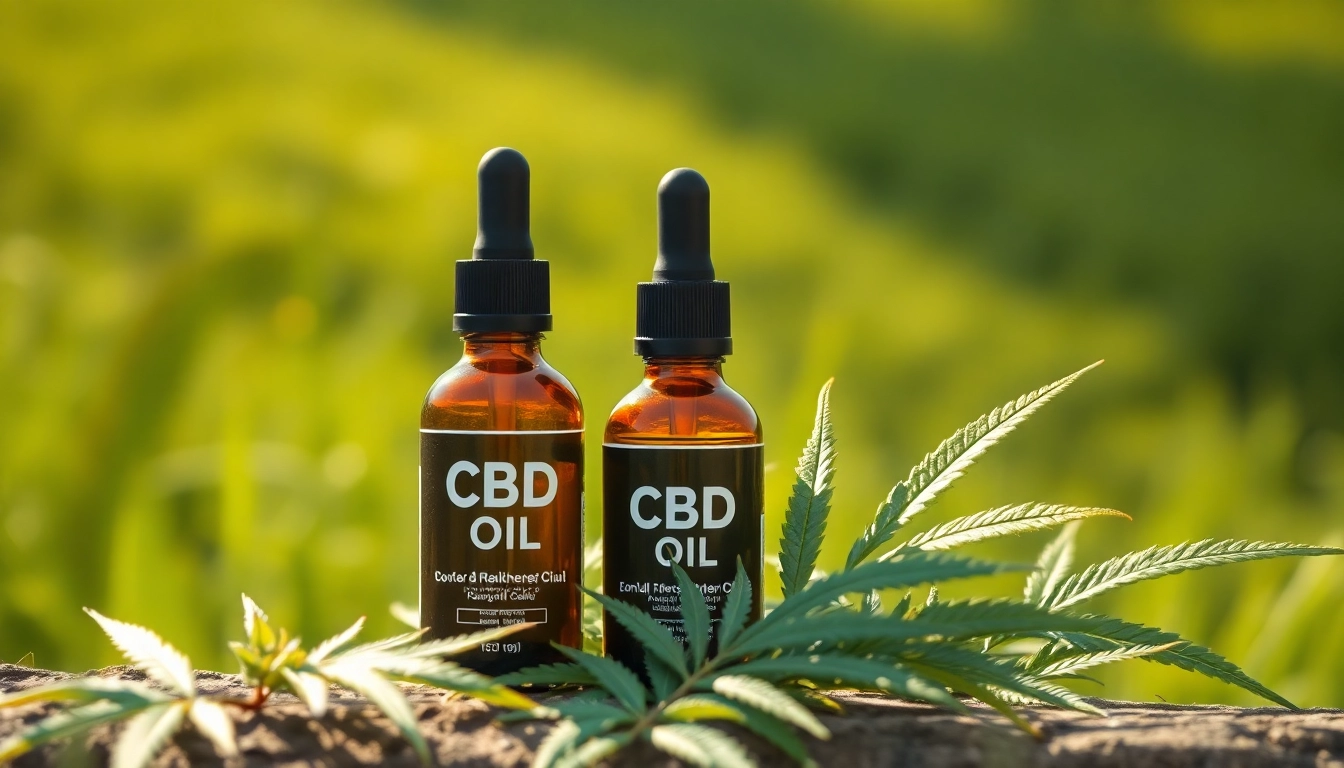
What is CBD and How Does It Work?
Cannabidiol, commonly known as CBD, is a naturally occurring compound found in the cannabis plant. Unlike its more famous counterpart, THC (tetrahydrocannabinol), CBD does not produce the psychoactive effects commonly associated with marijuana use. This quality has led to increased interest in CBD for therapeutic and wellness applications. To understand the value of CBD, it is essential to delve into its origins, how it interacts with the human body, and its legal landscape.
Cannabis Origins of CBD
CBD is one of over 100 phytocannabinoids identified in the cannabis plant, a group of compounds known for their therapeutic benefits. While cannabis has been used for thousands of years for medicinal purposes, the modern understanding of CBD began to take shape in the mid-20th century with the discovery of the endocannabinoid system (ECS) in humans, a complex cell-signaling system that regulates various physiological processes. The ECS comprises receptors that interact with cannabinoids to maintain homeostasis within the body.
How CBD Interacts with the Body
The human body has a well-established endocannabinoid system that plays a crucial role in maintaining physiological balance or homeostasis. CBD interacts primarily with two types of cannabinoid receptors: CB1 and CB2. CB1 receptors are predominantly found in the brain and central nervous system, while CB2 receptors are more common in the peripheral nervous system and immune cells.
When CBD is consumed, it indirectly influences these receptors, enhancing the body’s natural endocannabinoids. This interaction can lead to various effects, including reduced inflammation, pain relief, and even relief from anxiety and stress, making CBD appealing for potential therapeutic uses.
Legality and Regulatory Status of CBD
The legal status of CBD is complex and varies from country to country and state to state. In the United States, the 2018 Farm Bill legalized hemp-derived CBD that contains less than 0.3% THC. Following this, many states have adopted their regulations regarding the sale and use of CBD products. It’s crucial for consumers to be aware of their local laws and regulations regarding CBD to ensure compliance and safe usage.
Health Benefits Associated with CBD
The potential health benefits associated with CBD have garnered considerable attention in both popular media and scientific research. This section explores several of these claims, focusing on managing anxiety, pain relief, and neuroprotective properties.
Managing Anxiety and Stress with CBD
Anxiety is a common mental health disorder that affects millions of people worldwide. Preliminary research suggests that CBD may play a role in reducing anxiety symptoms. In several studies, participants reported decreased anxiety levels after consuming CBD, particularly in situations that typically induce stress, such as public speaking. The compound's potential anxiolytic (anxiety-relieving) properties may involve its interaction with serotonin receptors in the brain, which are crucial in regulating mood and anxiety levels.
CBD for Pain Relief and Inflammation
One of the most well-documented applications of CBD is its potential for pain relief. Research indicates that CBD may help alleviate chronic pain and inflammation by affecting the CB1 and CB2 receptors in the ECS. Additionally, it may help reduce pain signals sent to the brain, making it a compelling alternative for individuals seeking to manage their pain without the use of traditional pharmaceuticals.
Common conditions for which people have reported using CBD for pain relief include arthritis, multiple sclerosis, and fibromyalgia. While anecdotal evidence is robust, ongoing clinical trials are expected to provide more comprehensive insights into CBD's efficacy for pain management.
Potential Neuroprotective Properties of CBD
Emerging studies have uncovered potential neuroprotective properties of CBD, suggesting that it may be beneficial for neurodegenerative diseases. This includes conditions like Alzheimer's disease and multiple sclerosis. Preliminary research indicates that CBD may help reduce oxidative stress and inflammation in the brain, contributing to neuroprotection. Further research is necessary to fully understand these mechanisms and validate the claims, but initial findings are promising.
Different Forms of CBD Products Available
As CBD's popularity has surged, a diverse range of products has flooded the market. Understanding the various forms of CBD available can help consumers make informed decisions that align with their needs and preferences.
CBD Oil and Tinctures
CBD oil and tinctures are among the most popular forms of CBD products. They are typically made by extracting CBD from the cannabis plant and infusing it with a carrier oil. Users can either take CBD oil sublingually (under the tongue) for quick absorption or mix it into food and beverages. Tinctures often come in dropper bottles, allowing for precise dosing.
CBD Edibles and Gummies
CBD edibles, including gummies, chocolates, and beverages, provide a tasty way to consume CBD. These products deliver a pre-measured dose of CBD, making it easy for users to monitor their intake. However, it's important to note that the onset of effects from edibles may take longer than other methods, as they must pass through the digestive system before being metabolized.
Creams and Topicals Infused with CBD
Creams, balms, and lotions infused with CBD are designed for topical application. These products are often marketed for their potential anti-inflammatory and pain-relief properties. Users can apply CBD topicals directly to the skin, offering localized benefits without systemic effects. This makes them particularly appealing for people dealing with arthritis, muscle pain, or skin conditions.
How to Choose Quality CBD Products
With the influx of CBD products on the market, it's crucial for consumers to be discerning in their choices. Here's how to ensure the quality and efficacy of CBD products.
Understanding Lab Testing and Certificates of Analysis
Reputable CBD brands conduct third-party lab testing to verify the purity and potency of their products. Consumers should look for a Certificate of Analysis (COA) that details the cannabinoid profile, potential contaminants, and other relevant information. This transparency ensures that the product contains the advertised amount of CBD and is free of harmful substances.
Identifying Reputable Brands and Sources
Researching a brand's reputation is essential before making a purchase. Look for brands that have a history of consumer trust and positive reviews. It’s also wise to choose companies that prioritize ethical sourcing, environmentally friendly cultivation practices, and transparency regarding their manufacturing processes.
Reading Labels: THC Content and Ingredients
When selecting CBD products, it is vital to read labels carefully. Ensure that the THC content is within legal limits (below 0.3% in many jurisdictions) if you are concerned about psychoactive effects. Additionally, review the ingredient list for any additives or fillers that may affect the product's overall quality and safety.
Potential Risks and Side Effects of CBD
While many people use CBD without adverse effects, it is essential to recognize that it is not entirely without risks. Understanding potential side effects and interactions can help users make informed decisions.
Common Side Effects of CBD Use
Some reported side effects of CBD use include dry mouth, diarrhea, changes in appetite, and fatigue. These side effects are typically mild and often resolve upon discontinuation of use. However, individuals should monitor their experiences and consult with a healthcare professional if they have concerns.
CBD Interactions with Other Medications
CBD can interact with certain medications, particularly those processed by the liver. It may inhibit the activity of cytochrome P450 enzymes, which play a role in metabolizing various drugs. Individuals taking medications, especially those for blood pressure, anticoagulants, or other serious health conditions, should consult with their healthcare provider before using CBD.
Who Should Avoid Using CBD?
While CBD is generally safe for most individuals, certain populations should use caution. Pregnant or breastfeeding women, individuals with liver disease, and those who are taking certain medications should consult with a healthcare professional before consuming CBD. Additionally, anyone with a history of substance abuse or mental health concerns should approach CBD cautiously.