
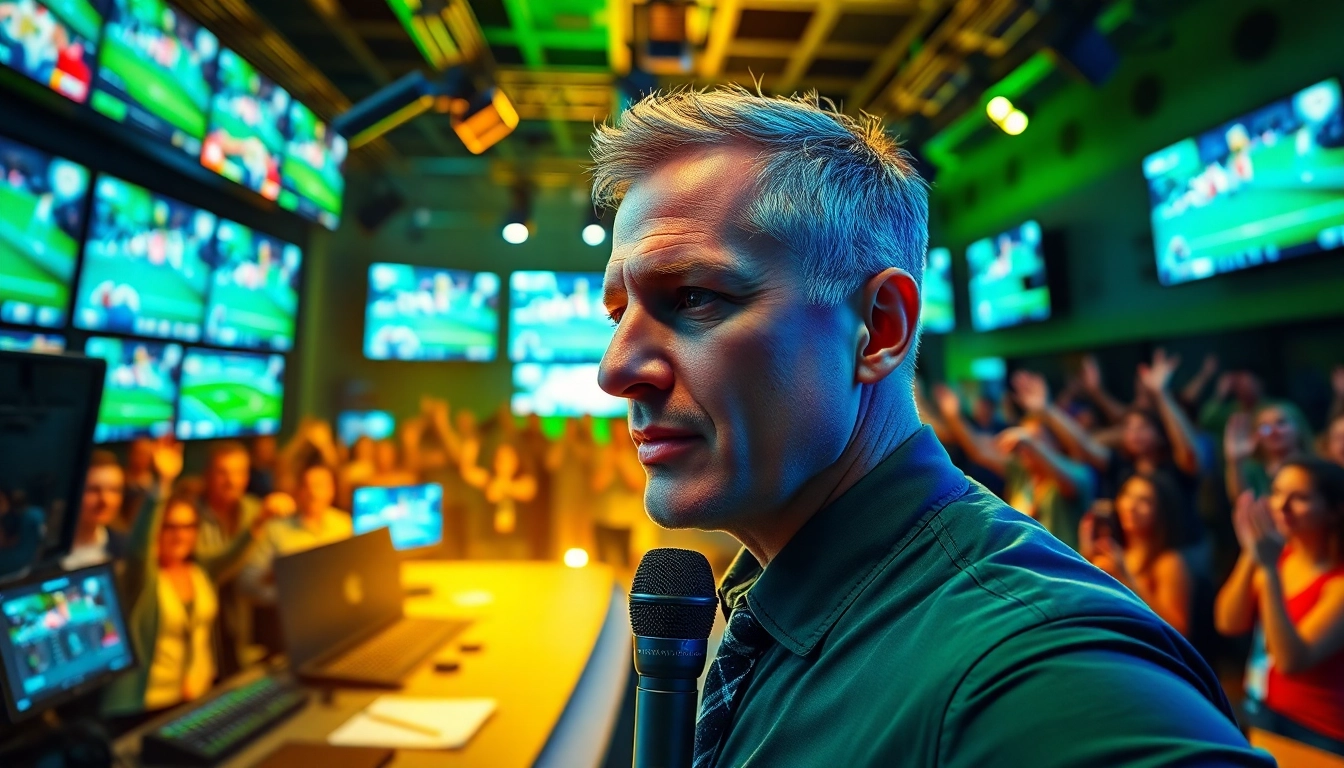
Understanding Sports Broadcasting
Definition and Importance
Sports broadcasting refers to the live or recorded transmission of sports events to an audience through various mediums such as television, radio, or digital platforms. This field plays a crucial role in connecting fans with their favorite sports teams and athletes, as it allows for real-time coverage, analysis, and commentary. The significance of Sports Broadcasting cannot be overstated, as it drives fan engagement, contributes to the global sports economy, and enhances the overall accessibility of various sports.
Historical Evolution of Sports Broadcasting
Sports broadcasting has undergone remarkable transformations since its inception. The journey began in the early 20th century with radio broadcasts of live sports events, offering fans a new way to experience games from home. As technology progressed, television gained popularity, drastically changing the landscape of sports broadcasting. The introduction of color broadcasts, followed by the cable revolution, allowed for extensive coverage of niche sports, expanding audiences exponentially. More recently, the rise of the internet and mobile devices has given birth to streaming platforms, allowing fans unprecedented access to live events and on-demand content.
Key Players in the Industry
The sports broadcasting industry features a complex ecosystem of stakeholders, including networks, production companies, leagues, clubs, and digital platforms. Major television networks often hold exclusive rights to broadcast significant sporting events, while sports leagues negotiate lucrative deals that allow them to reach wider audiences. Additionally, technological advancements have enabled smaller companies and startups to play key roles, providing innovative solutions and targeting specific demographics.
Trends Shaping Sports Broadcasting
Impact of Technology on Sports Broadcasting
Technology continues to revolutionize the way sports are produced and consumed. High-definition cameras, drones, and virtual reality are just a few examples of how advancements enhance the viewing experience. Moreover, augmented reality features are increasingly prevalent in broadcasts, providing fans with enhanced statistics and visual effects. The integration of Artificial Intelligence (AI) is also notable; it aids in analyzing viewer behavior, offering personalized content recommendations based on preferences.
Rise of Streaming Services
Streaming services have disrupted traditional broadcasting models by providing viewers with more flexible options. Platforms like Hulu, Amazon Prime Video, and others offer live sports content accompanied by interactivity in ways that conventional television cannot. This shift allows for targeted advertising and adjusts programming based on user engagement metrics, aligning with the growing consumer demand for personalized viewing experiences.
Enhancing Viewer Experience with Interactive Features
The introduction of interactive elements has taken sports broadcasting to new heights. Features such as multi-camera angles, live betting options, and real-time social media integration enhance viewer engagement, making the experience more immersive. Fan-driven content, such as polls and real-time discussions, allows audiences to participate actively, which deepens their connection to the event and the broadcast itself.
Challenges Faced in Sports Broadcasting
Regulatory and Licensing Issues
The sports broadcasting landscape is littered with regulatory and licensing challenges, often hindering the timely delivery of content. Networks must navigate a maze of local, national, and international laws governing broadcasting rights, which can be complex and evolving. Licensing agreements can be costly and impose operational limitations, requiring broadcasters to develop strategies to comply while maximizing reach.
Maintaining Audience Engagement
With viewers having access to various forms of entertainment, maintaining audience engagement is a constant challenge. Sports broadcasters must differentiate their content by providing unique insights and storytelling that resonate with diverse audiences. Engaging programming, complemented by high-quality broadcasting and interactivity, can foster loyalty among viewers, helping to combat the shifts in viewer preferences.
Competition from Alternative Media
The rise of social media and user-generated content presents significant competition to traditional sports broadcasting. Consumers are increasingly turning to platforms like Twitter, Instagram, and YouTube, where they can find highlights, analyses, and fan interactions. Ensuring that traditional broadcasts remain relevant requires innovation and adaptation to these emerging platforms, blending linear programming with social engagement.
Best Practices for Effective Sports Broadcasting
Utilizing Social Media for Engagement
Social media should be viewed as a critical extension of sports broadcasting, as it serves not only as a promotional tool but also as a platform for real-time interaction with fans. Effective use of social media includes sharing behind-the-scenes content, live event updates, and responding to fan queries. Engaging with audiences through polls or user-generated content can significantly enhance viewer experience and brand loyalty.
Emphasizing Quality Production
Quality production remains a cornerstone of effective sports broadcasting. Investing in top-tier technology, employing skilled personnel, and adhering to industry standards can create a polished and professional viewing experience. Viewers take note of clarity, sound quality, and camera work; thus, excellence in production should never be overlooked.
Adapting to Audience Feedback
Feedback loops should be established to gather insights on viewer preferences, experience, and suggestions for improvement. Regular surveys and real-time feedback tools during broadcasts can provide valuable data to inform content decisions. Adapting to audience preferences helps broadcasters maintain relevance and engagement, creating a viewer-centric approach.
Measuring Success in Sports Broadcasting
Key Performance Indicators (KPIs)
Establishing clear KPIs is essential to quantify the success of sports broadcasting efforts. Metrics such as viewership ratings, audience retention rates, and advertising revenue help gauge performance and inform strategic decisions. Additionally, monitoring digital metrics, such as social media interactions and streaming data, provides a comprehensive view of audience engagement.
Audience Analytics and Insights
Incorporating audience analytics can reveal profound insights about viewer habits and preferences, helping broadcasters tailor content effectively. Analyzing data from viewing patterns and feedback facilitates a deeper understanding of target demographics, enabling precise marketing efforts and content development that aligns with audience demand.
Continuous Improvement Strategies
Continuous improvement in sports broadcasting requires a commitment to innovation and adaptation. Regularly reviewing performance metrics, audience feedback, and industry trends will reveal necessary adjustments to stay competitive. By fostering a culture of learning and development, broadcasters can ensure they meet or exceed viewer expectations, thus securing their place in a dynamic landscape.
What is sports broadcasting?
Sports broadcasting is the live or recorded transmission of sports events to audiences via television, radio, or streaming services, connecting fans with their favorite sports and teams.
How has technology impacted sports broadcasting?
Technology has enhanced sports broadcasting with high-definition visuals, augmented reality, and AI analytics, leading to more engaging and personalized viewing experiences for fans.
What are some challenges in sports broadcasting?
Challenges include navigating regulatory issues, maintaining audience engagement in a competitive market, and adapting to the rise of alternative media and distributed content.
How can broadcasters engage viewers effectively?
Effective engagement can be achieved through social media interaction, high-quality production values, and adapting content based on audience feedback and preferences.
What metrics measure success in sports broadcasting?
Key metrics include viewership ratings, audience retention, advertising revenue, digital engagement metrics, and comprehensive audience analytics to inform strategic improvements.