
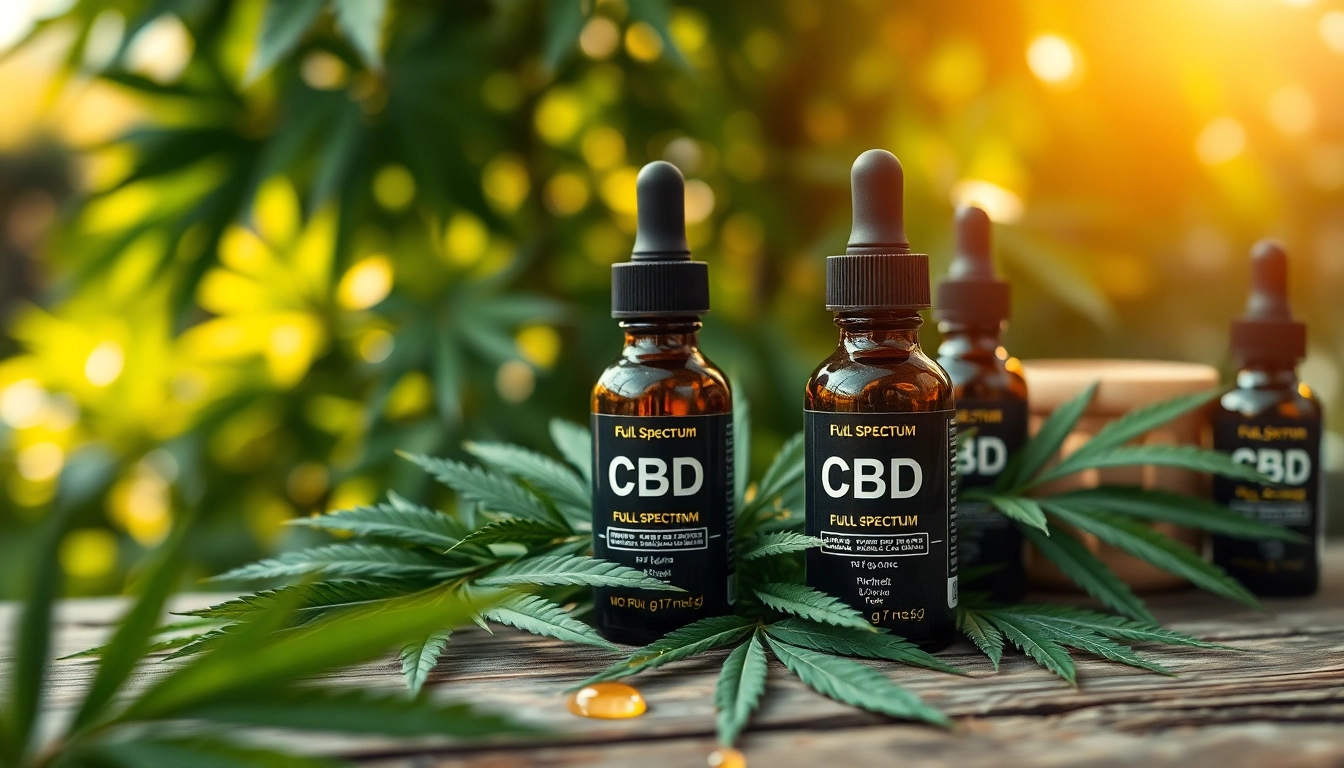
Understanding Full Spectrum CBD
What is Full Spectrum CBD?
Full spectrum CBD is a type of cannabidiol product derived from the hemp plant that retains a wide range of cannabinoids, terpenes, and other beneficial compounds. Unlike isolate forms that contain only CBD, full spectrum products encompass all the plant compounds, which work synergistically, a phenomenon referred to as the "entourage effect." This effect implies that the various elements of the plant can enhance the therapeutic potential of the CBD itself, providing a broader spectrum of benefits. As awareness of the various applications of CBD grows, consumers are increasingly seeking out Full spectrum CBD products for enhanced wellness.
Key Cannabinoids and Their Benefits
Full spectrum CBD products typically contain several key cannabinoids besides CBD, including:
- THC (Tetrahydrocannabinol): Though present in small amounts (up to 0.3%), THC can help alleviate pain, reduce inflammation, and promote relaxation.
- CBG (Cannabigerol): Known for potential anti-inflammatory properties, CBG may also support cognitive function and combat anxiety.
- CBN (Cannabinol): Often associated with promoting sleep, CBN can also exhibit anti-inflammatory properties.
- CBC (Cannabichromene): Research suggests that CBC may have neuroprotective effects and promote mood enhancement.
Each of these cannabinoids contributes uniquely to health, allowing for a diverse array of therapeutic benefits within full spectrum formulations.
Full Spectrum vs. Other CBD Types
There are three primary types of CBD formulations: full spectrum, broad spectrum, and CBD isolate. Full spectrum CBD, as mentioned, contains all cannabinoids, including THC. In contrast, broad spectrum includes multiple cannabinoids but excludes THC. CBD isolate is the purest form, consisting only of CBD without any other cannabis components. This differentiation is crucial as each type offers differing benefits.
For many users, full spectrum CBD is preferable due to the entourage effect, which is believed to enhance its efficacy compared to isolate forms. Individuals seeking the benefits of THC, the psychoactive component of cannabis, without the associated high may also gravitate toward full spectrum options.
Health Benefits of Full Spectrum CBD
Managing Stress and Anxiety
One of the most sought-after benefits of full spectrum CBD is its potential to effectively manage stress and anxiety. The cannabinoids in full spectrum products can influence the endocannabinoid system (ECS), which plays a vital role in regulating stress responses. Studies suggest that CBD, in particular, may help alleviate anxiety symptoms by acting on serotonin receptors in the brain.
Anecdotal evidence and preliminary research indicate that individuals using full spectrum CBD report less anxiety and improved coping mechanisms for daily stressors. The calming properties of THC, combined with the regulatory effects of CBD, contribute to creating an overall soothing experience for users.
Supporting Sleep Quality
Many individuals struggle with sleep disturbances, and full spectrum CBD has emerged as a natural alternative to over-the-counter sleep aids. Research indicates that the combination of cannabinoids may positively influence sleep patterns. Full spectrum products potentially enhance sleep quality by reducing anxiety and promoting relaxation, facilitating a smoother transition into sleep.
Specific cannabinoids such as CBN are particularly noted for their sedative properties, making them integral to formulations targeting insomnia. Furthermore, by addressing the root causes of sleep issues—such as stress and discomfort—full spectrum CBD products may provide a holistic approach to improving one’s sleep environment.
Potential Pain Relief
Chronic pain is a prevailing condition affecting many individuals, and full spectrum CBD has gained traction as a potential alternative to traditional pain medications. Cannabinoids interact with the body's ECS, which plays a crucial role in pain perception. Scientific studies suggest that full spectrum CBD may help alleviate various types of pain, including neuropathic and inflammatory pain.
Users of full spectrum CBD often report significant reductions in pain and improvements in overall quality of life. Furthermore, the additional cannabinoids in full spectrum formulations may enhance pain relief compared to pure CBD, making it an appealing option for those seeking alternatives to pharmacological interventions.
How to Use Full Spectrum CBD
Dosing Guidelines for Beginners
For those new to full spectrum CBD, determining the right dosage can be daunting. There is no one-size-fits-all approach, as individual needs can vary based on factors such as body weight, the specific condition being treated, and individual body chemistry. A common recommendation is to start low and go slow. Beginning with a low dose (e.g., 5-10 mg) and gradually increasing allows users to identify their optimal level of comfort and effect.
It’s essential to keep a journal of dosages and effects experienced to guide future adjustments. Consulting with a healthcare provider before starting a CBD regimen, especially for those on medication, can also provide personalized insights and guidance.
Methods of Consumption
Full spectrum CBD is available in various forms, each offering unique consumption methods and onset times:
- Oils and Tinctures: Dropped under the tongue for fast absorption. Effects are typically felt within 15-30 minutes.
- Capsules: Provide a convenient, pre-measured dose. However, onset may take longer as the capsule must be digested.
- Edibles: Gummies or other food products can be an enjoyable way to consume CBD, though delay in effects can be an issue.
- Topicals: Creams or balms applied directly to the skin can provide localized relief without systemic effects.
- Vaping: Provides rapid onset of effects. However, this method is controversial due to health concerns related to inhalation.
Choosing the right method depends on individual preferences and health goals.
Incorporating into Your Daily Routine
Integrating full spectrum CBD into your daily routine doesn’t have to be a chore. Many users find success by pairing their CBD usage with existing habits. For instance, taking CBD oil with your morning coffee or post-workout can make it easier to remember. Alternatively, using CBD gummies as an afternoon snack provides both enjoyment and effectiveness.
Establishing a consistent time for taking CBD creates a routine that helps track its effects and improves reliance. Some users report that using full spectrum CBD before bed helps signal their body it’s time to wind down.
Choosing Quality Full Spectrum CBD Products
What to Look for in Quality Products
The emergence of the CBD market has led to a proliferation of products, not all of which are created equal. When selecting full spectrum CBD, consider the following factors:
- Source: Opt for products made from organically grown hemp to ensure purity.
- CoA: Always check for a Certificate of Analysis (CoA) from a third-party lab, which confirms the cannabinoid content and absence of contaminants.
- Ingredients: Review the ingredient list for any additives, fillers, or harmful substances.
- Extraction Method: Look for products that utilize CO2 extraction to ensure clean and efficient extraction.
Prioritizing quality over price can significantly impact the effectiveness and safety of your CBD experience.
Importance of Third-Party Testing
Third-party testing is crucial in the CBD industry as it provides transparency and accountability. Reputable manufacturers subject their products to independent lab testing to validate their claims regarding cannabinoid content, potency, and the absence of harmful constituents like pesticides or heavy metals. Always verify that the product you’re considering has a CoA available for public inspection. This helps ensure that you are choosing a safe, effective, and pure product.
Understanding Labels and Ingredients
Reading product labels is an essential skill when selecting full spectrum CBD. Familiarize yourself with the terminology commonly found on labels, such as “full spectrum,” “broad spectrum,” and “CBD isolate.” Look for specific cannabinoid concentrations to ascertain the potency. Additionally, understanding the other ingredients can prevent adverse reactions, particularly for those with allergies or sensitivities.
By interpreting labels accurately, consumers can make informed choices that align with their wellness goals.
Addressing Common Misconceptions
Is Full Spectrum CBD Psychoactive?
Full spectrum CBD does contain trace amounts of THC (up to 0.3%), which is not enough to cause psychoactive effects for most individuals. However, sensitive users or those consuming higher doses may experience mild effects. It’s crucial to understand personal tolerance levels and product strengths when considering usage.
Can You Fail a Drug Test?
While full spectrum CBD is considered legal in many areas, the presence of THC could potentially result in a positive drug test. Users who are concerned about testing should consider broad spectrum or CBD isolate products, which do not contain THC. Transparency from manufacturers about cannabinoid content is vital for those needing to avoid failing drug tests.
Is It Safe for Everyone?
Full spectrum CBD is generally considered safe for most adults, but individuals with existing health conditions or those taking medication should consult a healthcare provider before use. Children and pregnant or breastfeeding individuals should also exercise caution. Awareness of potential interactions with medications, particularly those affecting liver enzymes, is critical in ensuring safety.
FAQs About Full Spectrum CBD
1. What is the entourage effect in full spectrum CBD?
The entourage effect refers to how various cannabinoids and terpenes work together to enhance the therapeutic benefits of CBD, making full spectrum products more effective than isolated CBD.
2. How long does it take for full spectrum CBD to take effect?
Onset time varies by consumption method: oils under the tongue may take 15-30 minutes, while edibles could take 1-2 hours to kick in.
3. Can I use full spectrum CBD daily?
Yes, many individuals incorporate full spectrum CBD into their daily routines for consistent relief from stress, pain, or sleep issues. Consulting a healthcare professional can help establish a safe regimen.
4. Are there any side effects associated with full spectrum CBD?
While generally well-tolerated, potential side effects may include fatigue, nausea, or changes in appetite. Monitoring your body's response can help identify any adverse effects.
5. Is full spectrum CBD legal everywhere?
Full spectrum CBD is federally legal under the 2018 Farm Bill in the U.S. as long as it contains less than 0.3% THC. However, local regulations may vary.